• Skip to main content
  • Skip to primary sidebar
  • Skip to footer

(855) 4MD-BONE (410) 644-1880 Physical Therapy: (443) 478-4449

FOLLOW US

CLINIC ONLINE SCHEDULING BILL PAY PATIENT PORTAL

  • Who We Are
    • Top Doctors
  • Services
    • Areas We Treat
    • Back & Neck
    • Foot & Ankle
    • Diabetic Foot Program
    • Hand & Wrist
    • Hip & Knee
    • Knee Replacement
    • Hip Replacement
    • Shoulder & Elbow
    • Spacer
    • Spacer
    • Spacer
    • Spacer
    • Spacer
    • Additional Services
    • General Orthopedics
    • Arthroscopic Surgery
    • IME
    • Non-Operative Care/Medications
    • Bone Health
    • CBD
    • Durable Medical Equipment
    • ESWT
    • Injections
    • Laser Therapy
    • Orthotics
    • On-Site Imaging
    • Physical Medicine & Rehabilitation
    • Sports Medicine
  • Conditions
    • Arthritis
    • Osteoporosis
    • Scoliosis Care
    • Spinal Stenosis
    • Shoulder Impingement Syndrome
    • Rotator Cuff Tear
    • Achilles Tendon Injuries
    • Plantar Fasciitis
  • Physical Therapy
    • Physical Therapists
    • Pre-Surgery Rehabilitation
    • Post-Surgery Rehabilitation
  • Locations
    • Catonsville – Clinic
    • Catonsville – Physical Therapy
    • Clarksville – Physical Therapy
    • Columbia – Clinic
    • Columbia – Physical Therapy
    • Eldersburg – Clinic
    • Eldersburg – Physical Therapy
    • Ellicott City – Physical Therapy
    • Fulton – Clinic
    • Fulton – Physical Therapy
    • Laurel – Physical Therapy
    • Westminster – Physical Therapy
  • OACM Same Day
  • OACM After Hours
  • Providers
    • Physicians
    • Physical Therapists
    • Physician Assistants
    • Certified Nurse Practitioners
  • OACM News
    • OrthoNews Newsletter
    • Blog
    • Videos
  • Resources
    • Patient Education
    • FAQs
    • Surgery
    • Videos
    • Webinars
    • Podcasts
    • Careers
    • Self-Assessment Tools
    • Pain Assessment
    • Bone Health Assessment
    • –
  • Contact Us
    • Physician Referrals

When Hip Pain Strikes, OACM Offers Patients Proven Solutions

September 11, 2013

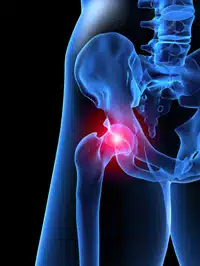
Hip pain is a common complaint among patients throughout the country. This pain is often more than just a nuisance and drives thousands of patients to seek treatment from physicians every year.

“Many patients visit my office when they’re experiencing pain and begin to have a limited range of motion and stiffness in the hip,” says Sam Sydney, MD, hip replacement specialist at Orthopaedic Associates of Central Maryland. “Patients lose the rotation and flexion of their hips, making everyday tasks like putting on and taking off shoes very difficult.”

Hip pain can have a number of causes. Often times it is a gradual onset from a chronic condition such as rheumatoid arthritis or osteoarthritis. It can also come on suddenly, for instance, when a person suffers a hip injury or has a condition called avascular necrosis (AVN), which occurs when there is inadequate blood supply to the ball portion of the hip joint.

When patients present with hip pain, surgery isn’t generally the first course of treatment, however. The history, clinical exam and x-rays often tell the surgeon when surgery is indicated.

“I use surgery as a last resort,” says Dr. Sydney. “There are many first line therapies that I recommend before jumping into a hip replacement surgery.” [See sidebar article]

Surgical Options for Hip Pain

When it comes to hip replacement surgery, the two most common approaches available to patients include:

  • Traditional total hip replacement surgery
  • Minimally invasive total hip replacement

Minimally invasive total hip replacement surgery is a commonly recommended surgical option for most hip replacement candidates. The minimally invasive anterior approach is performed on a special table to facilitate exposure and is done without cutting any muscles in the hip. Another procedure is called cementless total hip replacement, which allows the bone to grow into the prosthesis. Because the surgeon does not have to cut through the muscle, recovery time tends to be quicker than the traditional total hip replacement method.

Traditional total hip replacements are often recommended for patients who have an arthritic hip joint. In this procedure, the surgeon does have to cut through the muscle, making the recovery time slightly longer.

Both minimally invasive and traditional hip replacement surgeries utilize tried and true prosthetic devices that have proven results for hip replacement patients. Dr. Sydney also emphasizes the importance of choosing an orthopaedic surgeon who does a high volume of hip replacements to ensure successful outcomes.

Hip resurfacing was a commonly used treatment, but in recent years, has fallen out of favor with orthopaedic surgeons. When a patient’s hip is resurfaced, the damaged hip ball is reshaped and capped with a metal prosthesis. This procedure is more difficult and the risks of complications are higher. Additionally, the metal ball on metal socket may cause pain, an immune system reaction, and in rare cases, tissue deterioration.

Recovery from Hip Replacement Surgery

Recovery from a total hip replacement has dramatically improved over the years. With technology lending itself to minimally invasive techniques as well as improved pain management, and better patient preparation preoperatively (pre-hab), patients are resuming normal activities quicker.

Immediately following a hip replacement, patients are advised to get up and on their feet. This is integral to the recovery process. Most patients will feel muscle straining and soreness from the surgical site and will need assistance from a walker or crutches for two to three weeks. Depending on what kind of shape the patient was in prior to surgery, it is recommended that they resume normal, non-strenuous activities right away. Physical therapy is also recommended to facilitate the healing process and to strengthen muscles.

Is Hip Pain Prevention Possible?

Most hip problems stem from some type of arthritis, which tends to be genetic, but there are ways that patients can try to keep hip problems at bay.

“I recommend to all my patients that maintaining an active lifestyle and keeping an ideal body weight is the best way to avoid future hip problems,” says Dr. Sydney.

Watch Dr. Sam Sydney’s video on joint replacement here and learn more about hip replacement options here

For more information on hip pain and hip replacement surgery, visit www.mdbonedocs.com or call 866-927-1338 to make an appointment with a specialist at Orthopaedic Associates of Central Maryland.

Filed Under: Hip Tagged With: hip pain

Primary Sidebar

Recent Posts

  • A Day in the Life of an Orthopedic Surgeon Who Specializes in Shoulders
  • Joint Pain in Seniors: Treatments That Improve Mobility & Quality of Life
  • Understanding Revision Surgery: How Orthopedic Surgeons Correct Failed Hip and Knee Replacements
  • Managing Plantar Fasciitis During the Holidays: Best Treatment Options
  • Diabetic Foot Care: Tips from Top Foot and Ankle Surgeons
February 2026
M T W T F S S
 1
2345678
9101112131415
16171819202122
232425262728  
« Jan    

Categories

Tags

arthritis Back Pain best orthopedic doctor near me chronic pain Foot and ankle specialist near me Foot Care Foot doctor near me foot pain hip hip pain hip replacement joint pain Joint Replacement knee pain Knee Pain Treatment Baltimore MD Knee pain treatment near me Knee Replacement low back pain treatment near me Neck Pain Orthopaedic Associates of Central Maryland Orthopaedic Surgeon orthopedic care near me orthopedic clinic near me orthopedic doctor Baltimore MD orthopedic doctor Catonsville MD orthopedic doctor Central MD orthopedic doctor Columbia MD Orthopedic Doctor near me orthopedic doctors orthopedics orthopedic surgeon orthopedic surgeon near me orthopedic surgeons Baltimore Orthopedist Physical Medicine physical therapy Physical therapy near me Plantar Fasciitis treatment near me Podiatrist shoulder pain Shoulder Replacement Sports injuries sports injury Baltimore sports injury treatment near me sports medicine doctor near me

Footer

Patient Resources

Patient Education

Empower yourself with essential knowledge through our comprehensive patient education resources. Explore a wealth of information curated to enhance your understanding of orthopedic conditions, treatments, and wellness strategies.

Webinars
Podcasts
Patient FAQs
Patient Education Videos

Self-Assessment Tools

Take control of your health journey with our interactive self-assessment tools. Discover personalized insights for better orthopedic wellness.

Pain Assessment

Bone Health Assessment

FOLLOW US

Contact Us

(410) 644-1880

(855) 4MD-BONE

Physical Therapy:
(443) 478-4449

Who We Are

Services

Physical Therapy

Locations

OACM After Hours

Providers

OACM News

Careers

Get In Touch

Schedule an Appointment

Patient Portal

Contact Us

Copyright © | The Centers for Advanced Orthopaedics Orthopaedic Associates of Central Maryland Division | All Rights Reserved.

Privacy Policy Sitemap Accessibility Statement Non-Discrimination Policy

The Centers for Advanced Orthopaedics Orthopaedic Associates of Central Maryland Division is your premier center for comprehensive physical therapy and orthopedic services for conditions affecting the back and neck, foot and ankle, hand and wrist, hip and knee, and shoulder and elbow. We are also proud to offer a Bone Health Program, nonoperative treatments, after-hours care, and on-site imaging at our 12 locations across Central Maryland.

[su_labor_day_popup]