


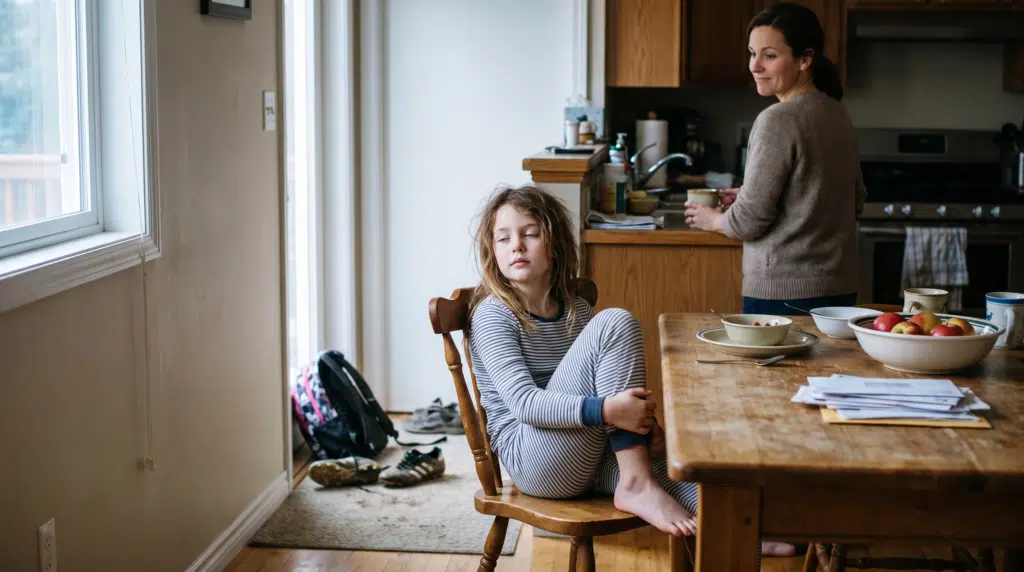
Your 10-year-old loves soccer, but lately she’s been limping in the mornings, before practice, not after. Her knee looks a little puffy, and she says it feels “stiff, not hurt.” You keep waiting for it to act like a normal sports injury and fade. It doesn’t.
In this post, you’ll learn how juvenile arthritis can hide behind an active kid’s aches, which signs set it apart from everyday bumps and strains, and when to have a doctor take a look.
Featured provider: Ralph T. Zade, MD, a board-certified, fellowship-trained orthopedic surgeon at OACM with specialty training in orthopedic sports medicine and extensive experience caring for high school and university athletes.
What is juvenile arthritis?
Juvenile arthritis is an umbrella term for inflammatory joint conditions that begin before age 16, the most common being juvenile idiopathic arthritis (JIA). Unlike the wear-and-tear arthritis adults get, juvenile arthritis is driven by the immune system attacking the joints, causing swelling, stiffness, and pain. Juvenile arthritis affects nearly 300,000 children and teens in the U.S.
How it differs from a sports injury
Active kids get hurt. That’s normal. But a few patterns suggest something beyond a typical sprain or strain:
- Morning stiffness is a hallmark. Sports injuries usually hurt more after activity. Inflammatory joint pain is often worst after rest, especially first thing in the morning, and loosens with movement.
- Swelling without a clear injury. A joint that’s swollen or warm when your child can’t point to a specific fall or twist deserves attention.
- Symptoms that migrate or affect both sides. A “knee injury” that shows up in the other knee, or in wrists and ankles too, is not behaving like a sports injury.
- It lingers. Most minor sports injuries improve within days to a couple of weeks. Joint pain, stiffness, or swelling persisting six weeks or more is a common threshold doctors use when considering juvenile arthritis.
Other signs can include fatigue, low-grade fevers, rash, or a child who quietly avoids activities they used to love. Kids often adapt instead of reporting pain.
Why early evaluation matters
Untreated joint inflammation can affect growing joints, and in some forms of JIA, the eyes as well. Early diagnosis and treatment may help protect joint function and keep kids doing what they love.
Here’s the encouraging part: juvenile arthritis is treatable, and many children with JIA stay active in sports with the right care plan. Activity is generally encouraged, not restricted, once the condition is managed.
Where OACM fits in
Parents usually don’t start at a rheumatologist. They start with the “knee problem” or the “ankle problem.” That’s where our team comes in. An orthopedic evaluation can rule out fractures, mechanical injuries, and structural problems, and when the picture points toward an inflammatory cause, we help families get to the right specialist, typically a pediatric rheumatologist, without losing time.
Featured provider
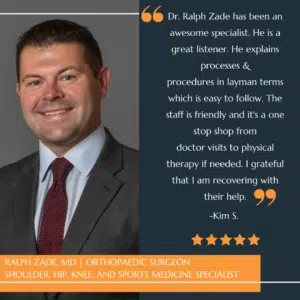
Ralph T. Zade, MD is a board-certified, fellowship-trained orthopedic surgeon at OACM with specialty training in orthopedic sports medicine. He earned his medical degree at Wayne State University, completed his orthopedic surgery residency at Albany Medical Center, and completed his sports medicine fellowship at MedStar Sports Medicine in Baltimore and Washington, D.C. He has served as an associate team physician for local high schools, universities, and professional teams including the Baltimore Ravens, Washington Wizards, and Washington Capitals, and was recognized on Castle Connolly’s 2022 Rising Stars list. His clinical focus includes operative and nonoperative treatment of sports injuries and minimally invasive arthroscopic surgery. He sees patients at OACM’s Catonsville, Columbia, Eldersburg, and Fulton clinics.
Schedule an evaluation
Trust the pattern, not the panic. If your child has joint pain, stiffness, or swelling that has lasted more than a few weeks, is worse after rest, or comes without a clear injury, call (410) 644-1880 or (855) 4MD-BONE to schedule at our Catonsville, Columbia, Eldersburg, or Fulton clinic. Online scheduling is available at s.odoro.com/cfaortho.
Frequently asked questions
Disclaimer
The information in this article is for educational purposes only and is not a substitute for professional medical advice, diagnosis, or treatment. Always speak with a qualified orthopedic provider about your specific symptoms and medical history. To schedule an appointment with Orthopaedic Associates of Central Maryland, call (410) 644-1880 or visit mdbonedocs.com.
 Webinars
 Podcasts
 Patient FAQs
 Patient Education Videos
 Pain Assessment
 Bone Health Assessment
